
🤮The Smear: A Playbook on Pulling Strings
Part Deux — Pizzagate is back with a vengance

Welcome new subscribers and THANK YOU to those who $upport my independent writing and advocacy.
Washington has a well-worn playbook for inconvenient truths. When a politically dangerous issue emerges, it isn’t confronted directly. Instead, it’s reframed. The narrative is wrapped in something extreme, something easily mocked or feared, and then amplified until the public stops asking questions altogether. Once the issue becomes socially radioactive, inquiry itself becomes suspect. Corporate media steps in as enforcement, distorting the underlying issue until the original concern disappears from public view.
This is not new, we’ve seen it before.
Six years ago, questions surrounding the 2020 election results became inseparable from the chaos of January 6. A relatively small number of violent actors overshadowed more than a million Americans who had gathered to demand congressional review. The result was predictable: the broader discussion ended overnight. Anyone continuing to ask questions about a stolen election was dismissed as a conspiracist, and the country moved forward under a media-imposed consensus.
But truth has a habit of resurfacing — slowly at first, then all at once. Just as debates over election integrity have re-entered mainstream conversation, so too has a story many assumed was permanently buried: Pizzagate. For those like myself who were not paying attention in 2016, context matters.
Nearly a decade ago, a massive trove of DNC and John Podesta’s emails was released publicly. The emails revealed internal favoritism toward Hillary Clinton over Bernie Sanders, along with politically sensitive campaign discussions. At the time, Podesta served as Clinton’s campaign chairman and was among the most influential figures in Democratic politics.
As independent researchers combed through the emails, they noticed repeated and unusual references to pizza and hot dogs embedded within otherwise routine correspondence. Food appeared to be discussed in ways that struck readers as abnormal — including references to flying $40,000 worth of hot dogs into Washington, D.C., for private gatherings, along with phrasing around pizza that did not resemble ordinary conversation. Some messages also contained strange and seemingly unrelated references to children.
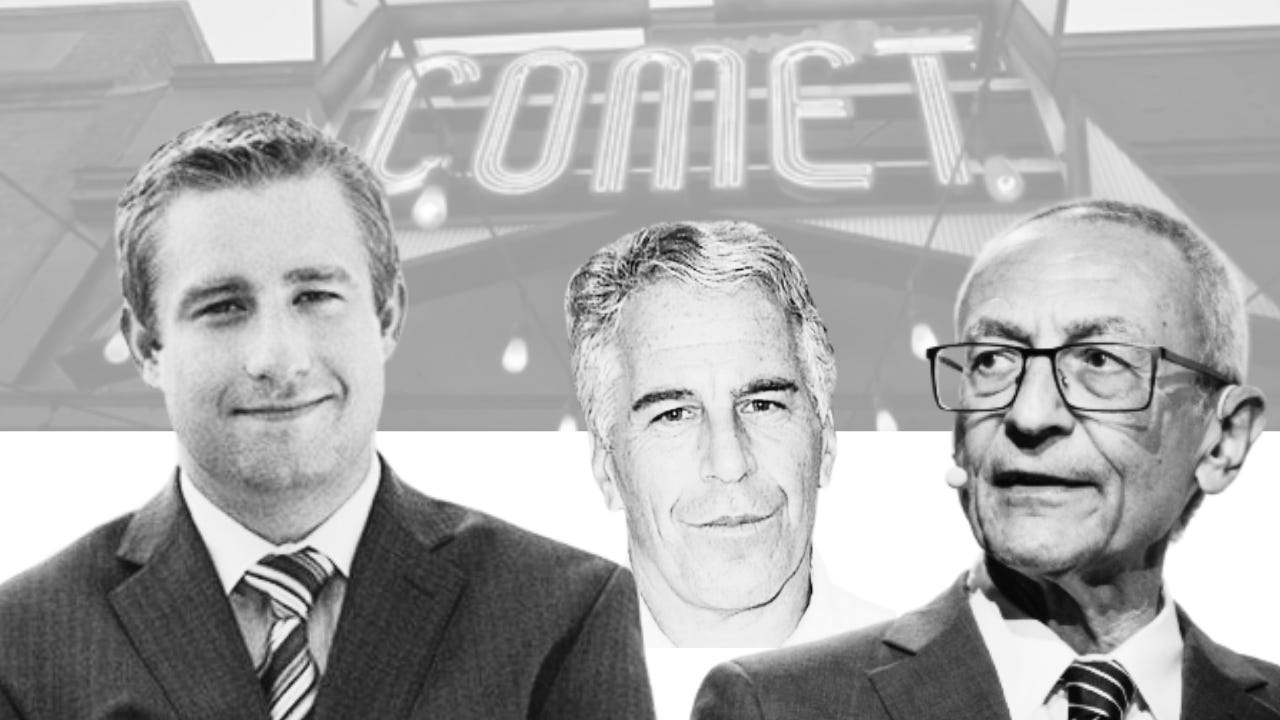
One location appeared repeatedly in the emails: Comet Ping Pong, a Washington, D.C., pizza joint. At the time, the establishment’s public Instagram included imagery involving children that many observers found disturbing, along with comment threads referencing sexual themes, some of them with violence. Podesta himself referenced visiting the restaurant with high-level political figures. From there, speculation grew that certain terms might function as coded language, and what became known as Pizzagate expanded into widespread online investigation and debate.
The response was swift. Media outlets reframed the entire discussion as an online conspiracy claiming that a satanic cabal, headed by Hillary Clinton, operated from a pizza restaurant basement. Whether fairly or not, the framing succeeded. The underlying questions disappeared beneath ridicule.
Then came the strange incident that effectively ended public discussion: an armed man entered Comet Ping Pong and fired shots inside the restaurant. No one was injured, but a bullet reportedly struck a computer hard drive in a back room. The suspect was arrested and the cameras captured him conveniently stating something like, “I thought it was all real, but there was nothing.” From that moment forward, the story became synonymous with extremism rather than inquiry.
Why does this matter now? Because similar references to pizza are appearing with eyebrow-raising frequency in the Epstein-related documents now available on the DOJ’s website. It appears that Pizzagate Part Deux has arrived — this time in an era where corporate media no longer commands the same level of public trust, meaning the story will not fade as easily.
It is notable that pedophilia and the sexual exploitation of minors represent the Achilles’ heel for those in positions of power. Just weeks after the original email releases in 2016, Seth Rich, a young mid-level DNC staffer, was found dead in Washington, D.C. Police ruled the incident a robbery gone wrong, despite reports that his valuables were not taken. Julian Assange later alluded to Rich as a possible WikiLeaks source, though this was never confirmed and has been denied by Rich’s family.
What is not disputed is this: Jeffrey Epstein was a convicted sex offender and trafficker whose network intersected with powerful political and business figures across the globe. The newly released documents carry the potential to expose relationships and patterns that many would prefer remain buried. And that is why this moment feels different.
The public is no longer asking permission to look. The teens are TikToking their way into this dark story. The gatekeepers no longer decide which questions are acceptable. Whether the conclusions ultimately validate or disprove long-held suspicions, the process itself has already begun.
In the next installment, I’ll examine one of the first major figures already caught in the expanding orbit — the so-called Prince of Darkness — and what Baron Peter Mandelson’s connections reveal about Epstein’s far-reaching network.
“The truth will set you free, but first it will make you miserable.”
James A. Garfield
Father in Heaven,
We ask for Your light to shine where darkness has long concealed the truth. Guard those who seek honesty and justice, and protect the innocent from harm and deception. Grant discernment to Your people, that we may see clearly and act wisely in troubled times.
Expose what must be revealed, restrain what is evil, and bring accountability where it is due. May truth rise above fear, and may righteousness guide this nation back toward order, courage, and clarity.
In Jesus’ Holy name we pray.
Amen.
Your articles are always spot on & this one is no different. I must add though that my favorite part of every article is your prayer. I read it aloud so GOD may hear it once again. Thank you for sharing all your prayers! I would love my prayers to be as meaningful and impactful as yours, but sadly, I have a long way to go in that department. I'm sure I'm not alone in this struggle.